
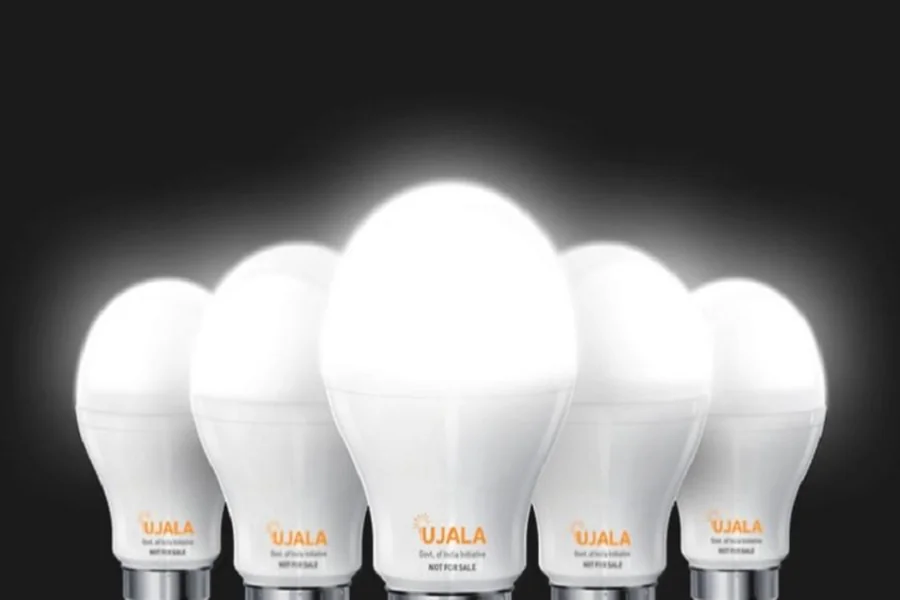
 India’s push toward energy efficiency has gained remarkable momentum in recent years, and one of the most impactful initiatives driving this change is the UJALA Yojana. Launched to promote the use of LED lighting, this scheme has significantly transformed how households consume electricity across the country.
What is UJALA Yojana?
The UJALA Yojana (Unnat Jyoti by Affordable LEDs for All) was introduced by the Government of India to provide affordable LED bulbs, tube lights, and energy-efficient fans to households. The primary objective is to reduce electricity consumption while promoting sustainable and cost-effective lighting solutions.
By replacing traditional incandescent and CFL bulbs with LEDs, the scheme has helped millions of households lower their energy usage.
Reduction in Household Energy Consumption
One of the most notable impacts of the UJALA Yojana is the substantial reduction in household electricity consumption. LED bulbs consume up to 80–90% less energy compared to traditional incandescent bulbs.
This shift has led to:
- Lower electricity bills for households
- Reduced peak electricity demand
- Improved energy efficiency across residential sectors
As more households adopt LED lighting, the cumulative savings in energy consumption continue to grow at a national level.
Cost Savings for Consumers
The affordability of LED bulbs under the UJALA Yojana has played a key role in its success. Earlier, LED bulbs were expensive and inaccessible to many households. However, through subsidized pricing and mass distribution, the scheme made energy-efficient lighting widely available.
As a result:
- Households save significantly on monthly electricity bills
- LEDs last longer, reducing replacement costs
- Long-term savings outweigh the initial investment
Environmental Benefits of Reduced Energy Use
The reduction in energy consumption due to the UJALA Yojana has also contributed to environmental sustainability. Lower electricity usage means reduced demand for power generation, much of which still depends on fossil fuels.
Key environmental benefits include:
- Reduction in carbon emissions
- Lower pressure on natural resources
- Contribution to India’s climate goals
Energy-efficient lighting is now a crucial component of sustainable living in India.
Widespread Adoption and Behavioral Change
Another important impact of the UJALA Yojana is the behavioral shift it has triggered among consumers. Increased awareness about energy efficiency has encouraged households to adopt sustainable practices beyond lighting.
This includes:
- Preference for energy-efficient appliances
- Increased awareness of electricity consumption
- Adoption of eco-friendly lifestyle choices
Such behavioral changes are essential for long-term energy conservation.
Contribution to India’s Energy Goals
The UJALA Yojana aligns closely with India’s broader goals of reducing energy intensity and promoting sustainability. By lowering household energy consumption, the scheme helps:
- Reduce overall electricity demand
- Improve energy security
- Support national energy efficiency targets
For a detailed overview of the scheme and its broader impact, you can explore more about UJALA Yojana.
Conclusion
The UJALA Yojana has emerged as a game-changer in transforming household energy consumption in India. By making LED lighting affordable and accessible, it has not only reduced electricity usage but also encouraged a shift toward sustainable living.
As India continues its journey toward energy efficiency and environmental sustainability, initiatives like the UJALA Yojana will remain crucial in shaping a greener and more energy-conscious future.