
Luxury outdoor living has evolved far beyond a grill, a few lounge chairs, and a rectangle of concrete. Today’s patios and pool areas are fully realized extensions of the home, designed with as much care, intention, and emotional nuance as any interior. They are places for long lunches that stretch into dusk, spontaneous gatherings that last all night, solitary swims at sunrise, and quiet moments with a book and a breeze.
Designing an exceptional outdoor living area is not about chasing trends or spending extravagantly. It is about understanding how small, thoughtful details accumulate to create comfort, beauty, and longevity. From layout and circulation to materials, lighting, and landscaping, every choice contributes to how a space is experienced. Spaces that look effortless usually require careful planning and thoughtful design solutions.
Designing for Lifestyle and Function, Not Just Looks
Before materials, furniture, or finishes are even considered, the most successful patio and pool designs begin with lifestyle. How you intend to use the space should drive every decision that follows. A family with young children will need very different features than a couple who primarily entertain adults, just as a wellness-focused homeowner will have different priorities than someone who envisions hosting lively summer parties.
Understanding daily rhythms is key. Some households gravitate toward quiet morning swims, shaded coffee spots, and afternoon lounging. Others thrive on evening entertaining, outdoor dining, and social swimming. Mapping out these patterns helps determine where seating should be placed, how circulation should flow, and where shade and lighting are most needed.
Designers often think in zones rather than singular spaces. Dining, lounging, swimming, cooking, and retreat areas should feel distinct yet connected. Clear zoning allows multiple activities to happen simultaneously without visual or physical clutter.
Creating Seamless Indoor-Outdoor Transitions
One of the hallmarks of luxury outdoor design is the sense that inside and outside belong to the same architectural language. Rather than feeling like an afterthought, the patio should feel like a natural continuation of the interior.
This is achieved through material continuity, proportional harmony, and thoughtful thresholds. Flooring that echoes interior tones, wall finishes that complement indoor textures, and architectural elements that visually align create cohesion. Large sliding or folding doors dissolve boundaries, allowing living spaces to spill outdoors effortlessly.
Ceiling treatments, structural beams, and pergolas can mirror interior architectural features, reinforcing visual flow. Even subtle details, such as matching metal finishes or repeating curves and lines, help tie the two environments together. The goal doesn’t lie in creating identical spaces, but in connecting them so that they are perceived as one, harmonious design concept.
The Pool as a Design Centerpiece
In luxury outdoor spaces, the pool is rarely just a functional amenity. It is often the visual and emotional centerpiece, shaping the surrounding layout and setting the tone for the entire environment.
Pool shape, scale, and placement should respond to both architecture and landscape. Clean-lined geometric pools complement modern homes, while softer organic forms often feel more natural in lush, traditional gardens. Edge details, waterline finishes, and coping materials all contribute to the pool’s personality.
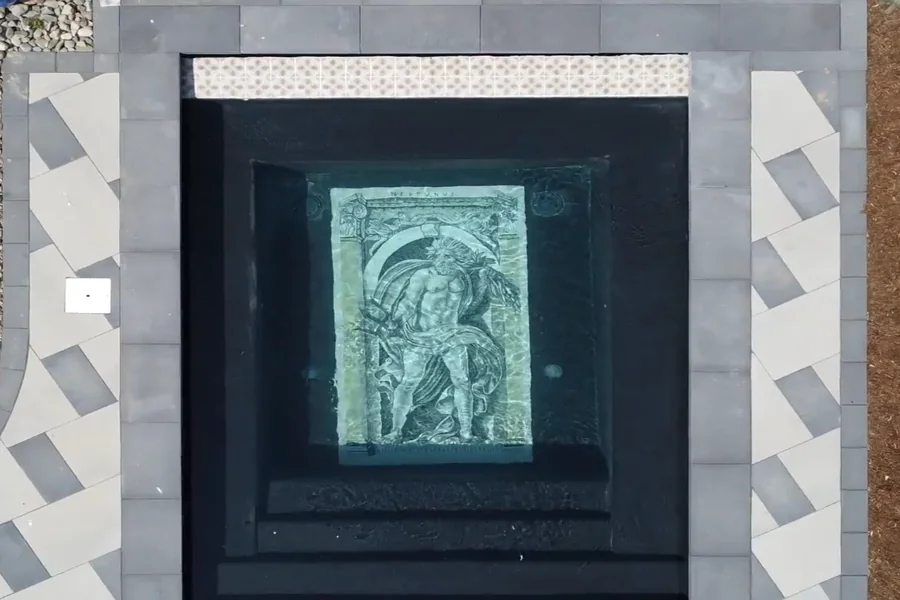
For many homeowners, a mosaic pool becomes a defining feature. Carefully selected tile patterns and hues can introduce movement, shimmer, and subtle artistry into the water, transforming it into a living surface that shifts throughout the day. Light interacts with color, and the pool becomes dynamic rather than static.
Water features such as fountains, sheer descents, and overflow edges further elevate the experience. Beyond visual drama, they introduce sound, masking street noise and enhancing tranquility. Even small water elements can significantly enrich sensory engagement.
Materials That Balance Beauty and Durability
Outdoor materials must perform under relentless exposure to sun, moisture, temperature swings, and wear. Yet luxury demands that durability never come at the expense of beauty.
Natural stone remains a favorite for patios and pool surrounds because it ages gracefully, develops patina, and offers timeless appeal. Travertine, limestone, bluestone, and marble each bring distinct character. Their textures feel good underfoot, while their organic variation adds depth.
Porcelain pavers offer a compelling alternative, combining high-performance durability with increasingly sophisticated aesthetics. Many mimic natural materials so convincingly that they are nearly indistinguishable, while providing superior resistance to staining, fading, and slipping.
Handcrafted mosaics are a perfect choice for home owners who seek to introduce individuality and showcase appreciation to handcrafted designs. Whether in waterline details, accent walls, or outdoor kitchens, they lend an artisanal quality that elevates the space beyond the ordinary.
Furniture That Feels Like Real Living
Outdoor furniture has undergone a remarkable transformation. Gone are the days of stiff plastic chairs and brittle cushions. Today’s luxury outdoor collections rival indoor furnishings in comfort, style, and longevity.
Deep seating with plush, weather-resistant upholstery invites lingering. Modular sofas allow layouts to adapt to gatherings of different sizes. Sculptural lounge chairs provide both ergonomic support and visual interest.
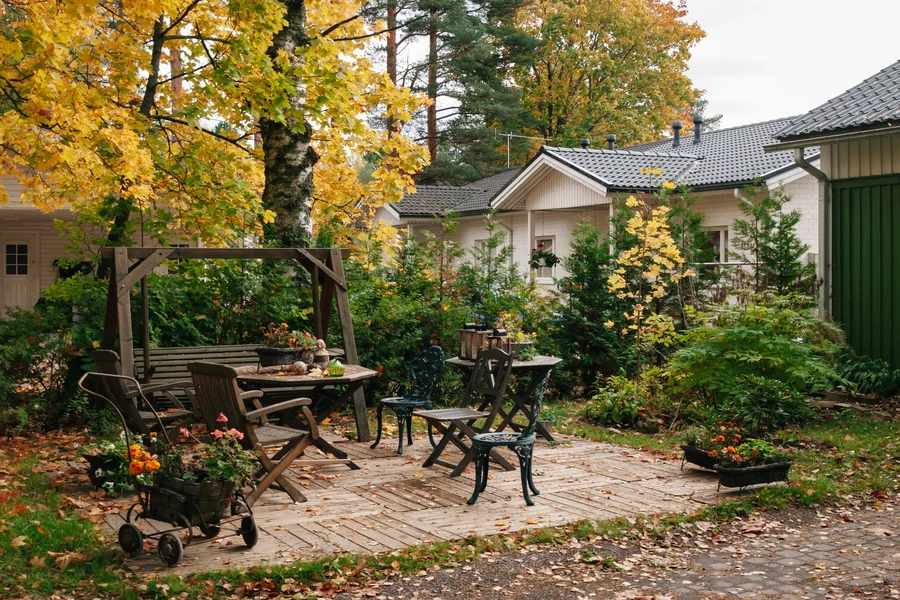
Dining furniture deserves equal consideration. Tables should feel substantial, chairs comfortable enough for long meals, and finishes resilient enough to withstand spills, sun, and humidity. Materials such as teak, powder-coated aluminum, and high-performance resin wicker balance durability with elegance.
Textiles play a crucial role in softening outdoor spaces. Performance fabrics now come in refined textures, complex weaves, and sophisticated palettes that blur the line between interior and exterior. Layering cushions, throws, and rugs enhances comfort and allows seasonal refreshes.
Lighting as Atmosphere, Not Just Illumination
Lighting is perhaps the most transformative element in outdoor design. It defines mood, enhances safety, and extends usability well into the evening. Yet its impact is often underestimated.
Effective outdoor lighting relies on layering. Ambient lighting establishes overall brightness, while task lighting supports specific functions such as cooking or dining. Accent lighting highlights architectural features, plants, and water elements, creating depth and visual intrigue.
Low-voltage LED systems offer flexibility, energy efficiency, and subtlety. Concealed strip lighting under steps, benches, and planters introduces a soft glow that feels almost magical. Tree uplighting adds drama, while lanterns and sconces lend warmth and intimacy.
At the pool, underwater lighting creates an entirely different nocturnal atmosphere. Gentle illumination transforms the water into a luminous focal point, encouraging evening swims and late-night gatherings. When thoughtfully planned, lighting turns the outdoor environment into an immersive nighttime retreat.
Shade as a Design Opportunity
Shade is essential for comfort, but it also presents an opportunity for architectural expression. Pergolas, cabanas, retractable awnings, and tensile structures all provide protection while contributing to the overall aesthetic.
Fixed pergolas define space and introduce rhythm through beams and columns. Climbing plants soften their structure, integrating architecture and landscape. Fabric canopies offer a lighter, more casual feel, ideal for relaxed lounging areas.
Cabanas elevate poolside living, providing private retreats with seating, storage, and sometimes even bathrooms or changing areas. Their architectural detailing often echoes the main house, reinforcing cohesion.
Thoughtfully designed shade solutions allow outdoor spaces to function comfortably throughout the day, expanding their usability and enhancing daily enjoyment.
Outdoor Kitchens That Rival the Indoors
The outdoor kitchen has become a cornerstone of luxury patio design. No longer limited to a simple grill, these spaces now feature refrigeration, sinks, storage, pizza ovens, smokers, and even dishwashers. Partnering with an experienced Houston Remodeling Contractor ensures these complex outdoor installations seamlessly integrate with your existing plumbing, electrical, and overall home architecture.
Layout is crucial. Just like indoor kitchens, outdoor versions benefit from efficient work triangles, ample prep surfaces, and logical storage placement. Durable materials such as stainless steel, sealed stone, and porcelain slabs ensure longevity.
Sheltered cooking areas extend usability during less-than-perfect weather. Integrated bar seating fosters social interaction, allowing hosts to engage with guests while preparing meals.
When designed with the same care as an indoor kitchen, outdoor cooking spaces become social hubs that anchor gatherings and elevate everyday dining.
Landscaping That Frames the Experience
Landscape design provides the emotional backdrop for outdoor living. Plants soften hardscapes, frame views, provide privacy, and introduce movement and seasonality.
A layered planting approach combines trees, shrubs, grasses, and groundcovers to create visual richness. Evergreen elements provide structure year-round, while flowering plants add color and scent. Ornamental grasses bring texture and dynamic motion in the breeze.
Strategic planting enhances microclimates, offering shade, wind protection, and cooling effects. In urban environments, vertical gardens and green walls create lushness within limited footprints.
Fire Features That Extend Seasonal Enjoyment
Fire introduces primal comfort and visual drama. Fire pits, fireplaces, and linear burners extend outdoor living into cooler months while creating intimate gathering points. Modern fire features range from rustic stone pits to sleek architectural installations. Their placement should encourage conversation and relaxation, often anchoring seating arrangements.
In colder climates, fire elements significantly increase seasonal usability. Even in warmer regions, they add ambiance and emotional warmth, balancing the cooling effect of water features.
Technology That Enhances Comfort Without Dominating
Smart technology has found its way outdoors, offering convenience and control. Automated lighting, heating, irrigation, and sound systems allow environments to adapt effortlessly to different moods and occasions.
However, as always with design, balance is essential. The goal is not to overwhelm the senses with gadgets, but to enhance comfort discreetly. Controls should be intuitive, interfaces simple, and hardware unobtrusive.
Sustainability as a New Standard of Luxury
Environmental responsibility has become inseparable from luxury. Today’s homeowners increasingly expect outdoor spaces to be as sustainable as they are beautiful.
Native and drought-tolerant planting reduces water use and supports local ecosystems. Permeable paving improves drainage and mitigates runoff. Energy-efficient lighting and solar integration reduce environmental impact while lowering operating costs. Durable materials that age gracefully reduce the need for replacement, minimizing waste. While it might feel like a bigger investment at the beginning, eventually sustainable choices pay off in the long run.
Designing for Emotional Resonance
Beyond aesthetics and performance, the most memorable outdoor spaces are the ones that create an emotional connection. They capture the way homeowners want to feel when they step outside: calm, joyful, inspired, restored.
This emotional connection emerges through personalization. A secluded reading nook beneath a tree, a poolside lounge positioned for sunset views, or a dining terrace oriented toward evening breezes all reflect intimate understanding of lifestyle. These gestures transform outdoor environments from impressive showpieces into deeply meaningful spaces for home inhabitants and their guests.